
Investors Revisit the Past in Multifamily Purchases
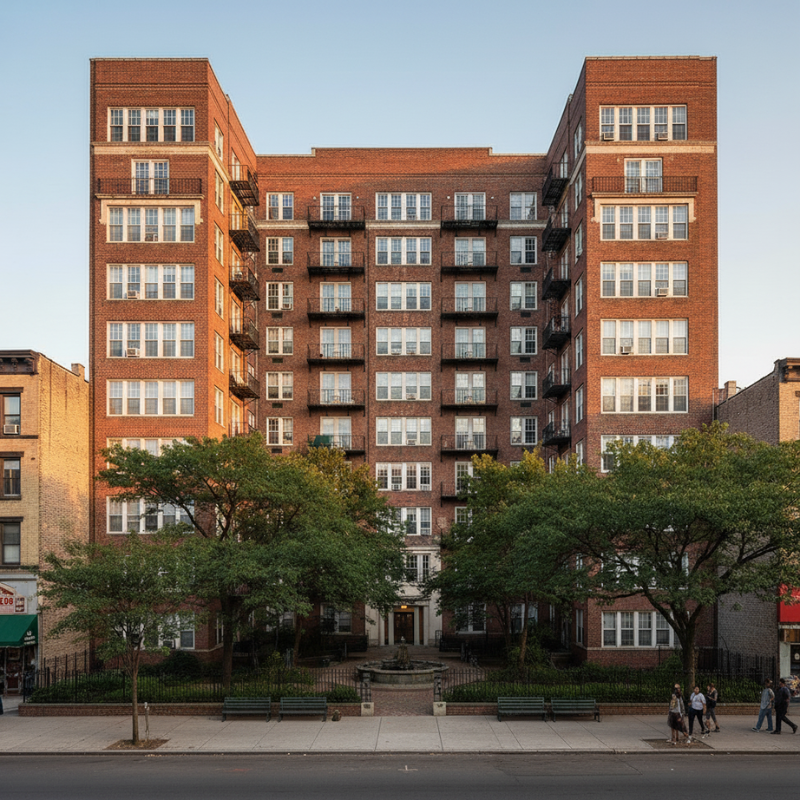
As borrowing costs stay elevated, investors are gravitating toward smaller, older apartment buildings—and favorable agency financing appears to be a major factor.
Two markets, two directions:
While office sales in 2025 largely reflect the age of their existing supply (mostly 1980s-era buildings), the multifamily story looks very different. Many of this year’s apartment trades involve properties built in the 1960s or even earlier—even in metros where newer inventory dominates.
Smaller properties, lasting presence:
The 1960s marked a construction surge for multifamily housing, with more than 76,000 smaller buildings added nationwide—many of which remain in use today. Later decades shifted toward larger developments, leaving these mid-century assets as a major share of the stock in older metros across the Northeast, Midwest, and established coastal cities.
Vintage assets take the lead:
In 31 U.S. metros, the typical multifamily property sold in 2025 was built in the 1960s or before. Markets such as San Francisco, Baltimore, and New Orleans saw traded assets that were decades older than their local median building age. A few exceptions—like Raleigh and Las Vegas—recorded newer deals bucking the national pattern.
The financing factor:
Older, smaller apartment buildings demand less upfront equity and often fit neatly within Fannie Mae and Freddie Mac’s lending programs for stabilized assets. That access to reliable, lower-cost debt has made these properties particularly attractive in a market where private capital is expensive and less available.
➥ Bottom Line:
In today’s tight capital environment, investors are prioritizing mid-century multifamily assets for their financing advantages and lower entry costs—not for their charm. This focus on older stock is likely to persist until credit conditions ease or prices on newer properties recalibrate.


